Garden Clearance in Chelsea for tidy outdoor spaces and practical waste removal
Garden clearance in Chelsea is the service for outdoor spaces that need a thorough tidy-up, sensible sorting and prompt removal of unwanted green waste and mixed garden debris. We deal with the materials that build up after pruning, planting changes, weather damage or a seasonal reset, so the space is easier to use and ready for the next stage of work. The emphasis is on clear, orderly removal rather than guesswork, with attention to what can be separated, loaded and taken away efficiently.
Our service covers a broad mix of garden clearances, from overgrown borders and cuttings to broken plant pots, soil, timber offcuts and old outdoor items that no longer belong in the space. Garden clearance often needs more than a single sweep, because waste can be spread across beds, paths, sheds and corners that are easy to miss. We work in a way that keeps the job practical, including sorting the material so reusable or recyclable items can be handled appropriately where possible.
For a garden that needs a reliable clear-out in Chelsea, the aim is to leave you with a space that is simpler to maintain and easier to plan around. If you are gathering the details for a quotation, you can use the pages on pricing and quotes and contact us to take the next step.
What our garden clearance service includes
The main work starts with identifying what needs to go, what can stay and what should be separated before loading. That may include hedge trimmings, branches, leaves, turf, weeds, dead plants and general outdoor clutter. It can also include heavier or awkward material such as damp bags of soil, broken fencing pieces or disassembled planters, provided they are part of the agreed clearance. The point is to make the outdoor area workable again without leaving a mixed pile behind.
Different gardens need different handling. A compact courtyard may need careful movement through narrow access, while a larger rear garden might require repeated carrying from the far end of the space. In either case, we keep the focus on efficient clearance and measured removal. If you are comparing related services, the pages for garden clearance and waste removal give useful starting points for understanding how the service is organised.
In practical terms, customers often want help with one of three outcomes: clearing a garden after growth has got ahead of maintenance, removing waste after landscaping or cutting back a neglected area so regular upkeep becomes easier. The right option depends on how much material there is, how mixed it is and whether there are items that need separate handling. A straightforward description of the job is usually enough to shape a sensible plan.
Green waste, mixed debris and sorting on site

Not every clearance is made up of the same type of waste. A tidy border can create a pile of mostly green waste, while a full garden clean-up may produce a mixture of organic material, old fixtures and everyday outdoor clutter. That is why sorting matters. We aim to separate garden waste from other material wherever practical, so the removal process stays orderly and the clearance itself is easier to manage from start to finish.
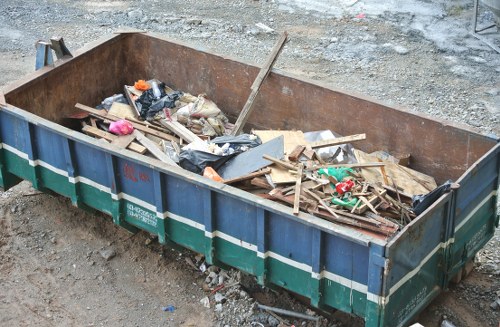
Green waste can include branches, hedge trimmings, leaves, grass cuttings, roots and plant matter. Mixed debris may include plastic tubs, damaged trays, broken ornaments, rotted wood or pieces of fencing. Where a garden contains items from several projects, the work is best approached as a structured clearance rather than a simple collect-and-go task. The more accurately the contents are described, the easier it is to plan the loading and disposal method.
When you want the work handled in a measured way, it helps to think about the material in categories. Green waste is usually lighter and more compressible than older outdoor junk, but wet or compacted waste can still be awkward. Mixed loads can take more time because they need checking and separating. Clear information about the type and amount of waste makes it easier to prepare a realistic quotation and schedule the right level of help.
Outdoor items, old fixtures and garden furniture removal
Gardens often collect more than plant waste. Over time, the space may contain rusting tables, broken chairs, cracked storage boxes, damaged edging, old toys, plant stands or dismantled features that are no longer useful. These items can prevent a garden from feeling open and can make maintenance more difficult. Our clearance approach covers practical removal of this sort of outdoor clutter when it forms part of the agreed job.
If there are items that need careful lifting or carrying, we plan the route through the property with the same attention as the clearance itself. That matters where access is narrow, surfaces are uneven or the items are bulky but light. Related pages such as furniture clearance and furniture disposal may also be useful if the garden contains outdoor furniture or indoor pieces that have been moved outside and now need to be removed properly.
For customers deciding what to include, a useful rule is to separate the truly unwanted items from the equipment that still has a role in the garden. Good spades, pots and accessories may need to stay, while damaged items that slow the job down can go with the clearance. This avoids over-ordering the service and keeps the work focused on the items that are genuinely ready to leave the space.
How access, volume and mixed material affect the job

Every garden has its own layout, and that layout shapes how the clearance is carried out. Some gardens open straight onto a path or drive, while others involve side returns, steps, slopes or passage through the house. Access affects the amount of carrying, the time needed and the care required to move waste without disturbing the property. When the route is clear and the contents are well described, the job can usually be planned more precisely.
Volume matters too. A small amount of cuttings from routine maintenance is very different from a garden that has not been cleared for months. Mixed material can also change the pace of the work because it may need to be checked before loading. Soil, branches, timber, damaged fixtures and bags of debris each behave differently when handled. If your clearance includes several of these elements, a clear list is more useful than broad wording, because it lets the job be scoped properly.
Two simple steps make the quotation process smoother: first, note the main types of material present; second, think about any access points or restrictions that affect carrying. That information helps shape a sensible plan without turning the enquiry into a long exercise. If you are ready to move forward, keep the request concise and use the available contact route to outline the garden, the waste and the access conditions.
Preparing a garden for clearance
It is helpful to make the garden as easy to assess as possible before the work begins. This does not mean doing the clearance yourself; it simply means identifying the main piles, separating obvious non-waste items and making sure gates, paths and entrances can be used safely. If there are delicate plants, ornaments or features that should remain in place, pointing them out in advance reduces the risk of confusion and helps the work stay organised.
For clearer planning, the following details are useful when requesting a quotation:
- the types of waste present, such as cuttings, branches, soil or outdoor items
- rough volume, from a few bags to a fuller garden load
- access conditions, including steps, narrow side passages or rear entry
- any particularly heavy or awkward pieces
Some customers prefer to combine a garden tidy with the removal of items from a shed, garage or loft. Where that is the case, it is usually best to separate the outdoor clearance from the indoor waste in your mind before you enquire. That keeps the scope clear and reduces the chance of overlooked material. If you are unsure how to describe the job, a brief written summary is usually more useful than an inflated estimate.
Related clearance options for homes and businesses

Garden clearance often sits alongside other removal work, especially where outdoor spaces are tied to wider decluttering or refurbishment. A property may need help with a garden after a house move, or it may need outdoor waste removed at the same time as indoor items. In those situations, it can be useful to look at the broader pages for home clearance and house clearance, because they explain how larger mixed jobs can be approached.
There are also times when the job is more specialised. A neglected garage, loft or flat may have its own waste stream that is separate from the garden, and an office or business site may need a different type of clearance altogether. The pages for garage clearance, loft clearance, flat clearance and office clearance provide useful context if your request involves more than one area of the property.
Customers do not need to map out the whole property before enquiring. A clear note that the garden is the main focus, plus any adjoining waste that should be included, is usually enough to start. If there is a separate pile of builders’ waste, however, that should be identified early so the service can be matched correctly. Keeping the scope neat is the best way to avoid wasted effort on both sides.
About Chelsea
Chelsea is a long-established district in west London on the north bank of the River Thames, known for its mix of historic streets, elegant terraces and cultural landmarks. It is closely associated with the Royal Hospital Chelsea, founded in the seventeenth century as a home for retired soldiers, and with the annual Chelsea Flower Show, held in the grounds of the Royal Hospital and widely recognised as one of the most prominent horticultural events in the calendar. The area’s built environment reflects layers of change, from older Georgian and Victorian streets to later developments around the King’s Road and nearby riverfront. Chelsea was once a separate parish and village before becoming part of the growing London metropolis, and its identity has remained distinct through its residential squares, specialist shops and galleries. Sloane Square, Cadogan Hall and the nearby streets around the King’s Road contribute to the area’s lively character, while green spaces such as Chelsea Physic Garden and the riverside paths offer quieter contrasts. The Chelsea Embankment, completed in the nineteenth century, is another important feature, reshaping the river edge and helping define the route along the Thames. Taken together, these elements give Chelsea a character that blends history, civic architecture, fashion, horticulture and everyday city life in a compact but varied part of London.
Clearance for overgrown spaces and seasonal resets
Some gardens are not simply untidy; they are overgrown to the point where paths, beds and features are hard to see properly. In those cases, the work is less about collecting a few bags and more about restoring order to the whole space. That may involve removing accumulated growth, cutting back dead material and taking away the waste that is revealed once the surface layer is cleared. The objective is not cosmetic alone, but practical: to make the garden easier to use and easier to maintain afterwards.
Seasonal resets also create clearances. After winter, gardens can hold storm debris, broken branches and damp material that has gathered over time. After summer, they may contain spent plants, dead heading waste and cuttings from a larger tidy-up. In both cases, the clearance needs to respond to the conditions of the space rather than treating every garden as identical. Different seasons create different waste profiles, and that affects how the job should be planned.
Where there is a significant amount of heavy or compacted waste, such as wet leaves mixed with soil or rotted planting material, the work can be more demanding than it looks at first glance. It helps to be realistic about the volume and condition of the waste when requesting a quotation. If you need to discuss a broader mixed load, keep the description focused and let the details do the work.
Why a structured quotation helps

A good quotation is usually based on practical information rather than assumptions. That includes what is being removed, how much of it there is and how straightforward the access is. Garden clearances can vary widely: one job may be mostly green waste in manageable bags, while another may include broken outdoor items, soil, timber and debris from several corners of the property. The more precise the description, the more likely the quotation is to match the actual work.
If you are preparing an enquiry, it helps to keep the message brief but specific. Mention the main waste types, any bulky items and whether the garden is easy or awkward to reach. If there are separate areas involved, such as a side return, front garden or shed, include that too. For a straightforward next step, use contact us when you are ready to share the details and ask for a quotation based on the actual clearance required.
We also welcome enquiries about related pricing questions where the scope is not yet fully settled. The page on pricing and quotes is useful if you want to understand how a request is usually assessed before you send the final details. Whether the task is a compact courtyard tidy or a fuller outdoor clearance, the best starting point is accurate information about the garden and the waste waiting in it.